

Building Smarter Grid- Scale Energy Storage



Electric vehicle technology is moving beyond standard 400V battery systems. Today, automotive engineers are using 800V architecture to unlock faster charging speeds, reduce overall vehicle weight, and maximize efficiency under heavy load. From high-performance sportscars to long-range electric fleets, 800V power systems are becoming an essential part of next-generation EV design.
As high-voltage charging infrastructure expands, automakers no longer have to choose between long charging times and bulky battery packs. The future of electric mobility is about delivering both efficiency and high output—allowing drivers to charge in minutes while optimizing energy efficiency across all driving conditions.
How 800V architecture is transforming EV performance
High-voltage battery systems are changing the way power flows through electric powertrains. Instead of relying on thicker copper cables to handle heavy electrical currents, 800V architecture doubles the system voltage, significantly cutting current draw while delivering the same—or greater—power output.
These systems reduce electrical resistance, lower heat generation during rapid DC charging, and allow onboard cooling components to operate much more efficiently. The result is a lighter, more reliable, and ultra-fast charging electric vehicle platform.
Key Characteristics
- Ultra-Fast DC Charging: Higher voltage allows batteries to charge from $10\%$ to $80\%$ in under 18 minutes without overheating components.
- Reduced Cable Weight: Doubling the voltage reduces current, allowing for thinner, lighter wiring harnesses across the entire vehicle chassis.
- Superior Thermal Efficiency: Lower current flow generates less resistive heat, reducing energy loss and stress on thermal management systems.
- Higher Continuous Output: Delivers sustained high performance and acceleration without thermal throttling during heavy driving conditions.
Objectives & Goals
The goal of 800V architecture isn't simply to make cars charge faster. It's about creating holistic energy storage and powertrain systems that maximize every kilowatt-hour of energy stored in the battery pack.
Automakers can leverage 800V technology to cut total system weight, extend real-world driving range, and minimize thermal degradation over the battery’s lifespan. By combining high-voltage battery modules with advanced silicon-carbide (SiC) inverters, manufacturers build EV platforms that are both hyper-efficient and future-proof.
The long-term objective is to eliminate range anxiety and long charging stops—delivering an electric vehicle driving experience that matches or surpasses conventional internal combustion vehicles.
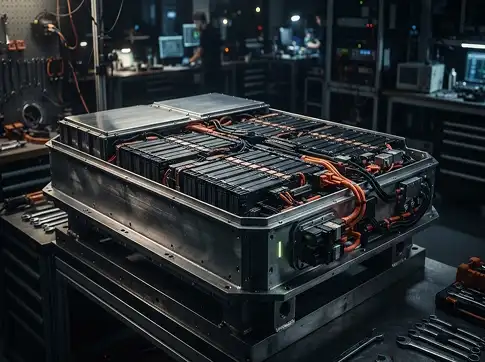

- Drastically reduces charging times at ultra-fast public DC fast-chargers.
- Saves critical vehicle weight by reducing copper wiring thickness.
- Minimizes energy loss and heat generation during high-power acceleration.
- Improves battery pack lifespan through active temperature management.
- Unlocks higher energy efficiency across long-distance highway cruises.
"The future of electric vehicles isn't just about bigger batteries. It's about higher voltage systems that deliver faster charging, lower weight, and maximum thermal efficiency."
So why does 800V architecture matter?
800V technology is becoming a fundamental standard in high-performance and long-range electric vehicles. Automakers that adopt high-voltage platforms today can build lighter cars, charge faster at modern charging hubs, and offer superior overall efficiency to drivers.
The future belongs to electric vehicles that know how to optimize power delivery and heat management—building powertrains that are not only powerful, but genuinely sustainable.